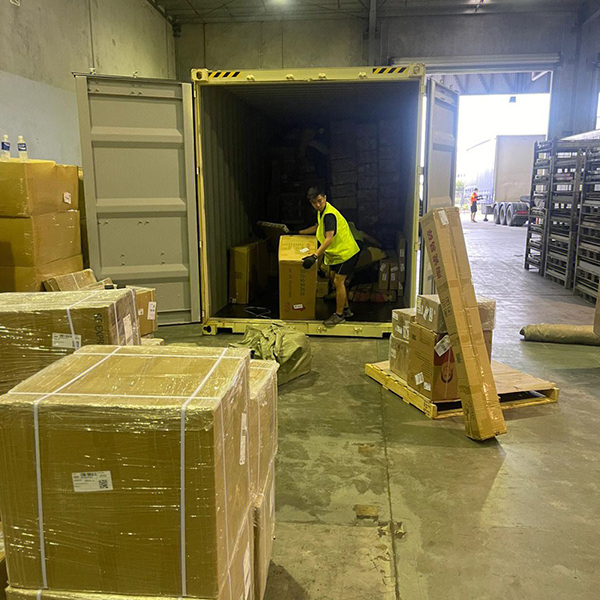
**Rising Shipping Costs from China to the USA: Impacts and Trends**In recent years, the shipping cost from China to the United States has become a significant factor influencing global trade and supply chain strategies. As companies and consumers continue to grapple with inflated expenses, understanding the dynamics behind these costs is essential for businesses seeking to optimize operations and manage risks effectively.**Understanding the Shipping Cost Dynamics**The trans-Pacific shipping route, particularly from China to the USA, has long been a critical artery for global commerce. However, multiple factors have contributed to sharp increases in freight rates over recent months. The COVID-19 pandemic initially disrupted manufacturing and logistics networks worldwide, causing container shortages and port congestions in key hubs. As demand surged while capacity lagged, freight companies raised prices substantially.Moreover, geopolitical tensions and regulatory changes have intermittently affected trade flows, further complicating logistics planning. Environmental regulations also require shipping lines to adopt greener but more expensive technologies, adding to operational costs. The combination of these elements means that businesses importing goods from China to the USA must contend with unpredictably high shipping expenses.**Impact on Businesses and Consumers**Higher shipping costs inevitably translate into increased prices for end consumers, squeezing margins for manufacturers, importers, and retailers alike. Many companies have responded by adjusting supply chain strategies—shifting production closer to end markets, diversifying supplier bases, or investing in inventory buffers to mitigate delays.For small and medium-sized enterprises (SMEs), which often operate with tighter capital constraints, the ballooning logistics expenditure is particularly challenging. These businesses must weigh the benefits of continuing to import competitively priced goods from China against the financial strain imposed by elevated shipping fees.**Navigating the Current Environment**To adapt, companies are increasingly leveraging advanced logistics solutions and collaborating closely with freight providers to gain better transparency and flexibility. Utilizing data analytics to forecast shipping trends and secure capacity ahead of time can alleviate some pressure. Additionally, consolidating shipments or exploring alternative transport modes, such as air freight for high-value or urgent goods, may provide tactical advantages despite higher per-unit costs.Customs documentation and compliance have also gained prominence as areas to streamline. Simplifying paperwork and ensuring adherence to import regulations can prevent costly delays and demurrage charges at ports.**Outlook for Shipping Costs**While the shipping market is inherently volatile, some experts anticipate a gradual normalization as new container ships enter service and port operations improve efficiency. However, the potential for fluctuating fuel prices and ongoing geopolitical developments means that prices may remain elevated compared to pre-pandemic levels.Businesses that proactively monitor market conditions and maintain agile supply chains are better positioned to navigate this evolving landscape. Strategic partnerships with experienced logistics providers can offer critical expertise and innovative solutions tailored to meet changing demands.---*Company Introduction:*{} is a leading logistics and supply chain solutions provider specializing in international freight forwarding and transport services. Known for its comprehensive expertise and commitment to customer-centric solutions, the company empowers clients to manage global shipping complexities effectively. Leveraging cutting-edge technology and an expansive network of partners, {} ensures timely delivery, cost efficiency, and compliance with international trade regulations. Through innovative services tailored to diverse industries, {} plays a pivotal role in connecting businesses across continents and driving growth in the global marketplace.---**Conclusion**The escalating shipping costs from China to the USA present a multifaceted challenge impacting businesses across sectors. By understanding the contributing factors and embracing adaptive strategies, companies can mitigate risks and maintain competitiveness. As the logistics landscape continues to evolve, partners like {} remain essential allies, offering the expertise and resources necessary to turn complexity into opportunity.
Read More