Cheapest Shipping Options from China to UK: Affordable and Reliable Rates

By:Admin on 2026-04-16 02:05:43

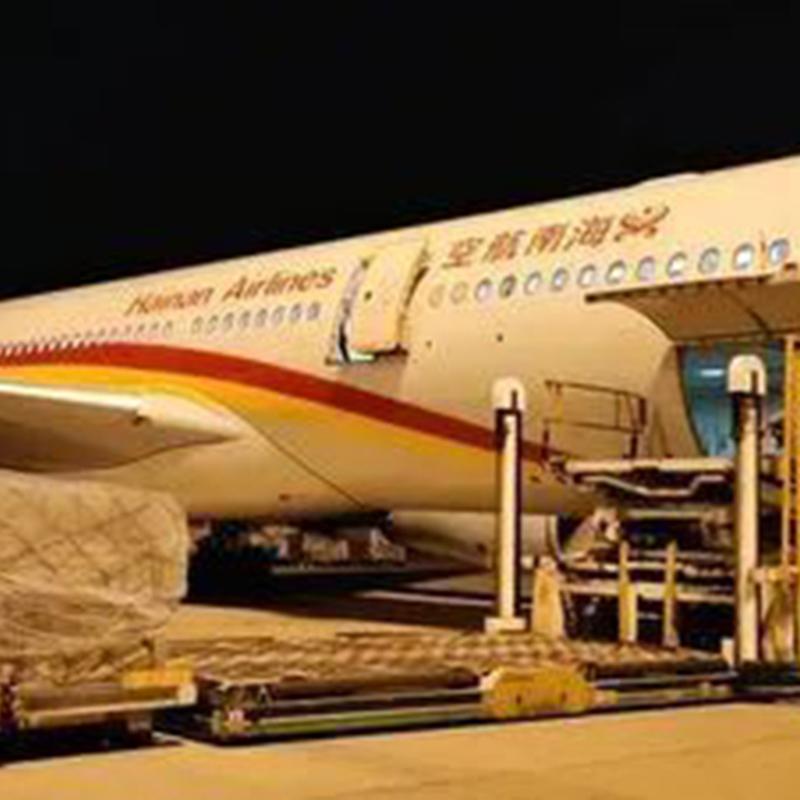
**Cheapest Shipping From China to UK: Navigating Affordable and Reliable Logistics Solutions**In today’s globalized economy, efficient and cost-effective shipping solutions have become paramount for businesses engaging in international trade. Among the most critical trade routes is the corridor between China and the United Kingdom, given China's status as a global manufacturing hub and the UK’s significant consumer market. For exporters and importers alike, finding the cheapest shipping options from China to the UK can significantly impact profit margins and overall supply chain efficiency.**Understanding the Importance of Affordable Shipping**With the surge in e-commerce and cross-border trade, companies are seeking competitive advantages by optimizing their logistics costs. Shipping expenses, which include freight charges, customs duties, and handling fees, often constitute a substantial portion of the total cost of goods sold. Therefore, securing affordable shipping from China to the UK is not just about saving money—it's about enabling businesses to offer competitive pricing and timely delivery.**Current Trends in China-UK Shipping**The shipping landscape between China and the UK has evolved dramatically over recent years. Traditionally dominated by sea freight due to its cost-effectiveness for bulk shipments, this corridor has witnessed increasing use of air freight and intermodal transport owing to improved infrastructure and growing demand for faster delivery.- **Sea Freight:** Remains the most economical method for large volumes and non-urgent shipments. Full Container Load (FCL) and Less than Container Load (LCL) services offer flexibility depending on shipment size.- **Air Freight:** Although more expensive, it remains essential for time-sensitive products, smaller parcels, and high-value goods. Advances in air cargo capacity and route optimization have helped reduce costs somewhat.- **Rail Freight:** An emerging alternative that balances cost and transit time, connecting China and Europe via the New Silk Road rail routes. While not as prevalent as sea or air options directly to the UK, rail offers a promising future avenue for integrated logistics.**Factors Influencing Shipping Costs**When searching for the cheapest shipping options, several variables come into play:1. **Shipment Volume and Weight:** Larger consignments generally benefit from lower per-unit shipping rates.2. **Type of Goods:** Hazardous or perishable items may incur additional charges.3. **Transit Time Requirements:** Expedited shipping commands premium prices.4. **Port and Terminal Charges:** Different ports have varying fees and handling efficiencies.5. **Customs Clearance and Duties:** Proper documentation and compliance can minimize delays and surcharges.6. **Seasonal Fluctuations:** Peak seasons, such as the lead-up to holidays, often see increased rates due to capacity constraints.**Strategies for Reducing Shipping Costs**Businesses looking to minimize shipping expenses from China to the UK can adopt multiple strategies:- **Consolidation:** Combining smaller shipments into a larger load to qualify for better freight rates.- **Choosing the Right Freight Forwarder:** Partnering with experienced logistics providers who offer competitive pricing and handle customs efficiently.- **Flexible Shipping Schedules:** Avoiding peak seasons and being open to longer transit times can reduce costs.- **Optimizing Packaging:** Reducing package dimensions and weight lowers freight costs.**Role of Freight Forwarders in Cost Optimization**Freight forwarding companies play a pivotal role in providing affordable shipping solutions by leveraging their networks, negotiating with carriers, and managing documentation. Their expertise in navigating customs regulations and consolidating shipments ensures smoother operations and cost savings.**Looking Ahead: Innovations and Opportunities**Technological advancements such as digital freight platforms, real-time tracking, and AI-driven route optimization are revolutionizing shipping logistics. These innovations enable better visibility, faster decision-making, and more precise cost management for shipments between China and the UK.Additionally, sustainable shipping practices are gaining traction. Eco-friendly shipping solutions may involve using fuel-efficient vessels or carbon offset programs, balancing cost with corporate social responsibility.**Conclusion**Navigating the complexities of international shipping requires a thorough understanding of available options and influencing factors. By leveraging sea, air, and emerging rail freight methods strategically and partnering with knowledgeable logistics providers, businesses can secure the cheapest shipping routes from China to the UK without compromising reliability.As global trade continues to expand, staying informed about market trends, technological innovations, and regulatory changes will be critical for maintaining cost-effective supply chains. With careful planning and expert support, companies can optimize their shipping processes, enhance competitiveness, and strengthen their presence in the dynamic China-UK trade corridor.

Read More

Shipping From China to Amazon FBA: A Complete Guide

By:Admin on 2026-04-13 02:28:08

Certainly! Please provide the company introduction you'd like me to incorporate, and I will draft an 800-word news article on shipping from China to Amazon FBA without including any brand names.

Read More

Air Freight Cost Per Kg From China: Latest Rates and Trends

By:Admin on 2026-04-09 02:05:09

**Air Freight Cost Per Kg From China Trends Amid Growing Global Demand**In the ever-evolving landscape of international logistics, air freight remains a critical component for companies seeking rapid delivery of goods across borders. Recently, air freight costs from China—a major global manufacturing hub—have become a focal point for businesses worldwide. As companies grapple with fluctuating shipping expenses, understanding the current trends in air freight pricing per kilogram is essential for informed supply chain decisions.**Rising Demand and Its Impact on Air Freight Costs**Over the past few years, the surge in e-commerce and the increasing necessity for just-in-time inventory models have propelled demand for air freight services. China, as the “world’s factory,” plays a pivotal role in satisfying global consumer demand by exporting a vast range of products, from electronics to textiles. This demand spike directly affects air freight pricing trends.Air freight costs from China are typically calculated per kilogram, factoring in variables such as fuel prices, capacity availability, geopolitical considerations, and seasonal market fluctuations. Recent reports indicate that the average air freight cost per kg from China to major markets like North America and Europe remains volatile but reflects a gradual normalization after the disruptions caused by the COVID-19 pandemic.**Current Cost Trends per Kilogram**According to industry analyses, air freight costs per kilogram from China have experienced a downward adjustment from their pandemic-era peaks. For instance, the average cost ranged between $5 to $6 per kilogram during the height of the pandemic when shipping capacity was constrained, and demand was exceptionally high. Now, prices have moderated to an average of approximately $3 to $4 per kilogram, though this varies depending on the specific routes, carriers, and freight volumes.Seasonality also plays a major role; prices tend to increase ahead of holiday seasons and promotional sales periods due to heightened shipping activities. Moreover, geopolitical tensions and fuel price fluctuations continue to influence pricing dynamics, occasionally causing unexpected spikes.**The Importance for Businesses**For companies relying on Chinese manufacturers, these air freight cost trends have critical implications. Shipping costs directly affect product pricing, inventory management, and overall profitability. Businesses must closely monitor these costs to optimize their logistics strategies, balance inventory levels, and make decisions such as choosing between air and sea freight.Given the faster transit times of air freight—typically 1 to 3 days from China to key international hubs—many businesses prioritize speed over cost. However, as air freight costs remain significantly higher than sea freight (which is cheaper but slower), companies must evaluate their supply chain priorities within the context of their cost constraints and delivery expectations.**Technological Innovations and Sustainability Efforts**To address cost pressures and environmental concerns, the air freight industry is innovating. Enhanced data analytics are enabling better capacity forecasting and route planning, helping airlines and shippers to optimize load factors and reduce empty miles. Additionally, some carriers are investing in fuel-efficient aircraft and sustainable aviation fuels to reduce carbon footprints, which may also influence future cost structures.Furthermore, digital platforms offering real-time pricing, booking, and tracking have empowered shippers to secure competitive rates and respond quickly to market changes. These tools have become invaluable amid the dynamic nature of global air freight markets.**Looking Ahead**As global trade continues to recover and adapt post-pandemic, air freight costs from China will likely stabilize but remain sensitive to external factors. Businesses that stay informed about pricing trends, embrace technology, and prioritize sustainability will be better positioned to manage their logistics effectively.With the ongoing growth of online retail and the demand for expedited delivery, air freight will continue to be a linchpin for international commerce. Balancing cost, speed, and environmental responsibility will define the next chapter of air freight logistics for both shippers and carriers.---This news article aims to provide a comprehensive overview of air freight cost per kilogram trends from China, offering insights valuable to readers involved in international trade, logistics, and supply chain management.

Read More