Air Freight Cost Per Kg from China to Australia: Latest Rates and Trends

By:Admin on 2026-06-01 02:25:40

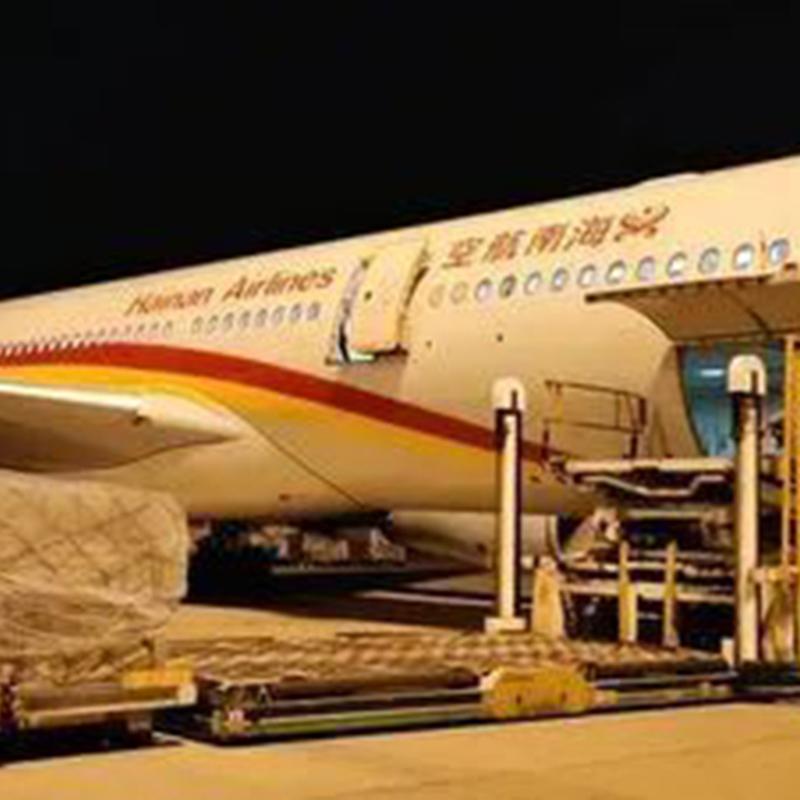
**Air Freight Cost Per Kg from China to Australia: Current Trends and Insights**In recent months, the air freight sector between China and Australia has exhibited notable changes, reflecting broader dynamics in global trade, supply chain adjustments, and economic conditions. As businesses increasingly rely on efficient logistics to meet consumer demand and manage inventory, understanding the cost drivers and trends in air freight rates becomes crucial.### Current Air Freight Cost Trends from China to AustraliaAir freight costs are typically influenced by factors such as fuel prices, capacity constraints, demand fluctuations, geopolitical events, and seasonal variations. For shipments from China to Australia, there has been a marked volatility in pricing, reflecting both supply chain disruptions and shifts in trade volumes.As of the latest data, the average air freight cost per kilogram from major Chinese hubs such as Shanghai, Shenzhen, and Guangzhou to Australian cities including Sydney, Melbourne, and Brisbane has seen moderate fluctuations. On average, freight costs range between USD 3.50 to USD 5.50 per kilogram, depending on the volume, type of goods, and urgency of delivery. This marks a slight increase compared to the previous quarter, attributed in part to rising fuel prices and lingering bottlenecks at key airports.### Factors Driving the Air Freight Rates1. **Fuel Price Volatility:** Aviation fuel constitutes a significant portion of operating costs, and recent increases in global oil prices have contributed to higher air freight charges.2. **Capacity Constraints:** Despite the gradual recovery from pandemic impacts, cargo space availability remains tight, especially on passenger aircraft that also carry significant freight in their belly holds. Many airlines have adjusted schedules, limiting available cargo seats and pushing prices upward.3. **Demand Surge:** The resurgence in consumer demand, particularly for electronics, fashion, and perishable goods, has increased urgency for air cargo shipments. Retailers preparing for peak seasons like Christmas and Lunar New Year have boosted freight volumes.4. **Logistics and Customs Delays:** Ongoing port congestion and customs inspection backlogs have occasionally led to delays, prompting some shippers to prefer air freight for faster delivery despite higher costs.5. **Regulatory and Geopolitical Factors:** Changing trade policies or restrictions sometimes cause shippers to reroute or expedite shipments, influencing freight rates.### Implications for Australian Businesses and ImportersAustralian businesses importing from China need to closely monitor these shifting air freight costs, as they directly impact supply chain expenses and profitability. While air freight offers speed and reliability, the premium cost relative to sea freight makes it essential to strategize shipments carefully.For high-value goods, perishable items, or time-sensitive inventory, air freight remains the preferred option despite increased rates. Conversely, companies with more flexible delivery schedules might opt for ocean freight to manage costs. Some businesses are exploring diversified supply chains or local manufacturing to reduce dependence on long-haul air cargo.### Technological Advancements and Industry ResponsesIn an effort to optimize costs and improve service quality, freight forwarders and logistics providers continue to invest in technology-driven solutions. Advanced cargo tracking, predictive analytics for demand forecasting, and enhanced capacity planning allow better alignment between supply and demand.Furthermore, innovative aircraft designs and the gradual introduction of sustainable aviation fuels promise future operational efficiencies that could help moderate freight costs and reduce environmental impacts.### Preparing for Future Market ConditionsIndustry experts suggest that businesses should stay informed about macroeconomic indicators and sector-specific developments influencing freight rates. Establishing strong partnerships with logistics providers, negotiating volume-based contracts, and leveraging digital platforms for real-time rate and capacity information can provide competitive advantages.Moreover, the gradual normalization of global travel and cargo flights is expected to balance capacity constraints over the next 12 to 18 months, potentially stabilizing air freight prices on China-to-Australia routes.---### About [Company Introduction][Company Name] is a leading international logistics provider specializing in air and sea freight services between Asia and Australia. With a strong focus on customer-centric solutions, the company leverages a global network of partners, advanced supply chain technologies, and industry expertise to deliver flexible and cost-effective freight options. Committed to sustainability and innovation, [Company Name] helps businesses navigate the complexities of international shipping while ensuring timely and secure delivery of goods.---### ConclusionThe air freight cost per kilogram from China to Australia remains subject to fluctuations influenced by fuel prices, demand dynamics, and logistical factors. Despite recent increases, air freight continues to play a vital role in facilitating trade between the two nations. Businesses are encouraged to adopt strategic approaches and maintain close collaboration with logistics providers to optimize supply chain efficiency amid evolving market conditions.By keeping abreast of industry trends and leveraging expert guidance, Australian importers can effectively manage air freight expenses and capitalize on opportunities presented by global trade flows.

Read More

Reduced Shipping Costs from China to UK: Affordable and Reliable Solutions

By:Admin on 2026-05-25 02:25:35

**Rising Shipping Costs from China to the UK: What Businesses Need to Know**In recent months, shipping costs from China to the United Kingdom have seen a significant increase, impacting a wide range of businesses that rely on this crucial trade route. As global supply chains continue to adjust post-pandemic and geopolitical tensions influence international trade, understanding the factors behind these rising costs and how companies can navigate them is becoming increasingly important.**The Current Landscape of Shipping Costs**Shipping goods from China to the UK is a vital component of international trade, given China's role as a manufacturing powerhouse and the UK’s position as a major consumer market. However, since late 2023 and into 2024, businesses have reported a notable rise in freight charges. Industry sources highlight that the cost per container has increased by as much as 30-40% compared to the previous year.Several factors contribute to this upward trend:1. **Capacity Constraints:** Following fluctuations during the COVID-19 pandemic, shipping companies are still recalibrating their capacity. There is a shortage of available containers, which pushes costs up.2. **Port Congestion:** Both Chinese and UK ports have experienced congestion issues, leading to delays and increased dwell times for ships. These inefficiencies translate into higher operational expenses.3. **Rising Fuel Prices:** The global increase in fuel prices directly affects the cost of shipping, as vessels consume large quantities of fuel during transit.4. **Regulatory Changes:** New environmental regulations aimed at reducing emissions from shipping vessels may require companies to invest in cleaner, but costlier, technologies.5. **Geopolitical Tensions:** Trade policies and occasional disruptions caused by diplomatic disputes can affect shipping schedules and costs.**Impact on UK Businesses**For UK importers, especially small and medium-sized enterprises (SMEs), these rising costs present challenges. Increased shipping expenses may lead to higher prices for consumers, squeezed profit margins, or difficulties in maintaining supply chain reliability.Retailers relying on fast-moving goods must consider how longer lead times and unpredictability affect inventory management. Manufacturers dependent on timely arrivals of components from China are evaluating alternative sourcing strategies to mitigate risks.**Strategies to Mitigate Shipping Cost Increases**Businesses affected by these shifts can adopt various tactics:- **Consolidated Shipping:** Pooling shipments with other companies to maximize container usage can reduce per-unit transport costs.- **Flexible Scheduling:** Adjusting shipment times to avoid peak congestion periods or taking advantage of less busy routes may help.- **Diversifying Supply Chains:** Exploring suppliers in different countries or regions can decrease dependency on China-UK routes, potentially balancing costs and risks.- **Long-Term Contracts:** Negotiating stable freight rates through long-term agreements with carriers can provide some predictability.**Role of Logistics Service Providers**Specialized logistics companies play a crucial role in helping businesses manage these challenges. They offer expertise in navigating complex regulations, optimizing shipping schedules, and securing competitive rates due to their volume purchasing power.By leveraging technology such as real-time tracking and data analytics, logistics providers enable importers to plan more effectively and respond swiftly to disruptions. Their knowledge of both Chinese and UK port operations ensures smoother customs clearance and reduced delays.**Looking Ahead**While shipping costs are currently elevated, industry analysts anticipate gradual stabilization as new infrastructures come online and supply chain balancing continues globally. Ongoing investments in port expansions, digitalization, and greener shipping practices are expected to enhance efficiency over the next few years.Importers should monitor market conditions closely, remain adaptable, and partner with experienced logistics professionals to safeguard their international trade operations.---With shifting global dynamics, understanding the nuances of rising shipping costs from China to the UK is essential. By staying informed and proactive, businesses can better navigate the evolving landscape and maintain competitiveness in the international market.

Read More

Air Freight Services from China to Australia: Reliable and Fast Shipping Solutions

By:Admin on 2026-05-18 02:25:09

**Rising Demand Fuels Growth in Air Freight from China to Australia**The air freight sector between China and Australia is witnessing significant growth amid evolving global trade dynamics and shifting supply chain strategies. As businesses seek faster, more reliable logistics solutions, air cargo has become an increasingly vital link connecting these two robust economies.**Surge in Air Freight Volume**Recent industry reports indicate a remarkable uptick in the volume of air freight shipped from China to Australia. This trend is driven by factors such as the rising demand for consumer goods, electronics, and perishable items that require expedited transportation to maintain product freshness and meet market deadlines. The COVID-19 pandemic underscored the importance of resilient and flexible supply chains, prompting many companies to re-evaluate their freight options and prioritize air transport for critical shipments.**Strategic Importance of the China-Australia Air Freight Corridor**China remains Australia’s largest trading partner, with two-way trade valued at hundreds of billions of dollars annually. The strong economic ties and growing consumer markets create a steady flow of goods moving between the countries. Air freight serves as a crucial enabler, allowing businesses to minimize inventory holding costs and react swiftly to changing customer demands.Australian retailers and manufacturers rely heavily on reliable air freight services to import high-value products and raw materials from China. The expedited delivery not only boosts competitiveness but also supports industries such as technology, fashion, healthcare, and fresh produce distribution.**Challenges and Opportunities**While the air freight route presents clear advantages, it is not without challenges. Capacity constraints, fluctuating fuel costs, and regulatory hurdles can impact transit times and pricing. Additionally, the global aviation sector continues to grapple with the aftereffects of the pandemic, including workforce shortages and evolving health and safety protocols.Nevertheless, advancements in digital logistics platforms and improved airport infrastructure in both countries promise enhanced efficiency going forward. Air freight operators are investing in innovative technologies like real-time tracking and automated customs clearance to streamline the shipping process.**Company Profile**Established with a mission to connect markets reliably and efficiently, this prominent logistics company specializes in comprehensive air freight services linking China and Australia. Their extensive network spans major airports and cargo hubs, supported by strategic partnerships with leading airlines and customs authorities.The company prides itself on customized solutions tailored to clients’ unique supply chain requirements. From small parcel shipments to full aircraft charters, their offerings encompass door-to-door delivery, warehousing, and value-added services such as cargo insurance and compliance consulting.Their experienced team prioritizes customer satisfaction, leveraging industry expertise to navigate complex regulatory environments and deliver shipments on time. By employing cutting-edge technology platforms, they provide transparency and real-time updates throughout the shipping journey.**Innovation Driving Competitive Advantage**To remain at the forefront of the fast-paced logistics landscape, the company continuously invests in digital transformation. Their proprietary booking and tracking system allows clients to manage shipments with ease, ensuring visibility and proactive issue resolution.Moreover, sustainability initiatives are integrated into their operations, including optimizing flight routes to reduce carbon emissions and utilizing eco-friendly packaging options. These efforts align with the growing emphasis on green supply chains among global stakeholders.**Looking Ahead**The outlook for air freight between China and Australia remains positive, supported by strong bilateral trade relations and emerging market opportunities. Growth sectors such as e-commerce, pharmaceuticals, and fresh food exports stand to benefit significantly from reliable and rapid air transportation services.As companies navigate an increasingly complex global market, partnering with a logistics provider that offers flexibility, transparency, and comprehensive support is more important than ever. This air freight service provider’s dedication to innovation and customer-centric solutions positions it as a key player facilitating trade and economic growth across the China-Australia corridor.In conclusion, the air freight channel from China to Australia continues to expand, driven by demand for speedy, dependable cargo transport. With strategic investments and a focus on sustainable, technology-enabled solutions, the industry is poised to meet the challenges and opportunities of tomorrow, strengthening the vital trade link between these two dynamic nations.

Read More